“We’ll Sort That Later”: The Most Expensive Phrase in Compliance
"We’ll sort that later."
It’s a phrase we hear regularly when working with venues across Australia. Whether it’s a policy review that hasn’t been completed, staff training that is overdue, AML/CTF obligations that need attention, or kitchen procedures that have not been updated, the intention is usually the same: there are more urgent priorities to deal with first.
The challenge is that compliance issues rarely get smaller with time. What starts as a task that can wait until next week can quickly become a much larger problem when an auditor, regulator or incident brings it into focus.
Why Compliance Gets Pushed Aside
Most venues don't intentionally neglect compliance. Managers and operational teams are often balancing staffing challenges, customer service demands, maintenance issues and the day-to-day pressures of running a busy venue.
When resources are stretched, compliance can easily fall down the priority list. A policy review gets postponed, training records aren't updated and procedures remain unchanged even though operations have evolved.
Individually, these issues may not seem urgent. However, over time they can create gaps that expose the business to unnecessary risk.
The Cost of Leaving It Too Late
One of the biggest mistakes organisations make is treating compliance as something that can be addressed when an audit is approaching.
By the time an auditor arrives, it's often too late to fix underlying issues properly. Missing documentation, outdated policies, incomplete training records and inconsistent procedures can all become findings during a review.
This is particularly important in areas such as AML/CTF compliance, food safety, workplace safety and governance, where organisations are expected to demonstrate not only that systems exist, but that they are actively maintained and followed.
A simple way to assess your current position is to ask:
- Are your policies and procedures up to date?
- Has your AML/CTF Program been reviewed recently?
- Are staff training records current and accessible?
- Are kitchen procedures documented and consistently followed?
- Could you produce evidence if an auditor requested it tomorrow?
If you're unsure of the answer to any of these questions, now may be the right time to take a closer look.
Be Audit-Ready Before the Audit
The venues that perform best during audits are rarely the ones scrambling to prepare in the weeks beforehand.
More often, they are the venues that have built compliance into their everyday operations. Policies are reviewed regularly, actions are tracked, responsibilities are assigned and records are maintained throughout the year.
This proactive approach not only reduces risk, it also makes audits significantly less stressful. Rather than searching for documents and trying to close gaps at the last minute, teams can focus on demonstrating the systems they already have in place.
Good compliance isn't about preparing for an audit.
It's about being prepared before the audit is announced.
How Safety Mates and ComplianceTrackr Can Help
At Safety Mates Australia, we work with venues and businesses to build practical compliance systems that support both operational requirements and regulatory obligations. Our team understands the realities of hospitality and gaming venues and provides practical advice that works in the real world.
For many organisations, one of the biggest challenges is simply keeping track of everything. Policies, training records, corrective actions, reviews and compliance obligations can quickly become difficult to manage when they are spread across multiple spreadsheets, folders and email chains.
Stay ahead with ComplianceTrackr
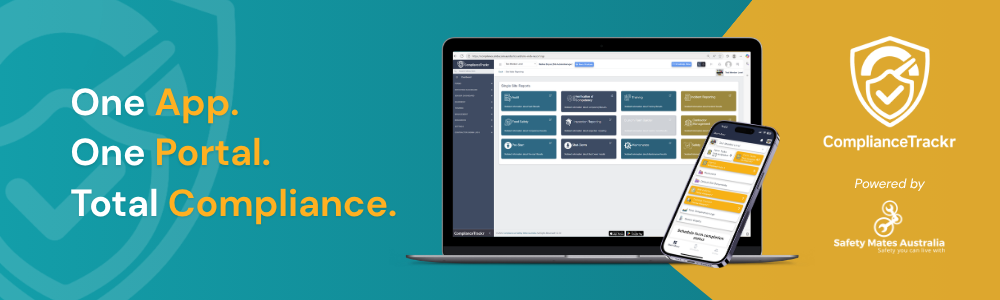
ComplianceTrackr helps venues stay organised, accountable and audit-ready by bringing compliance activities into one central platform. With ComplianceTrackr, organisations can:
- Track compliance actions and responsibilities
- Manage policies and supporting documentation
- Monitor reviews, inspections and key obligations
- Maintain training and compliance records
- Store evidence and supporting information in one location
By improving visibility across compliance activities, venues can reduce the risk of important tasks being overlooked and demonstrate compliance with confidence when auditors or regulators request information.
Final Thought
The most expensive phrase in compliance is often, "we'll sort that later."
The better approach is to identify issues early, maintain strong systems and stay on top of your obligations throughout the year. Compliance should never be something that only receives attention when an auditor is on the way.
If you're unsure whether your venue is audit-ready, now is the time to ask the question, not when somebody else asks it for you!